Fusion Grid Vault 300
- OSD nodes
- 12
- Metadata nodes
- 3
- Cores
- 1,152
What is in it
- Login, head and controller nodes3x
- Fabric switches2x2 × 100GbE
- Storage chassis12x36 bays each
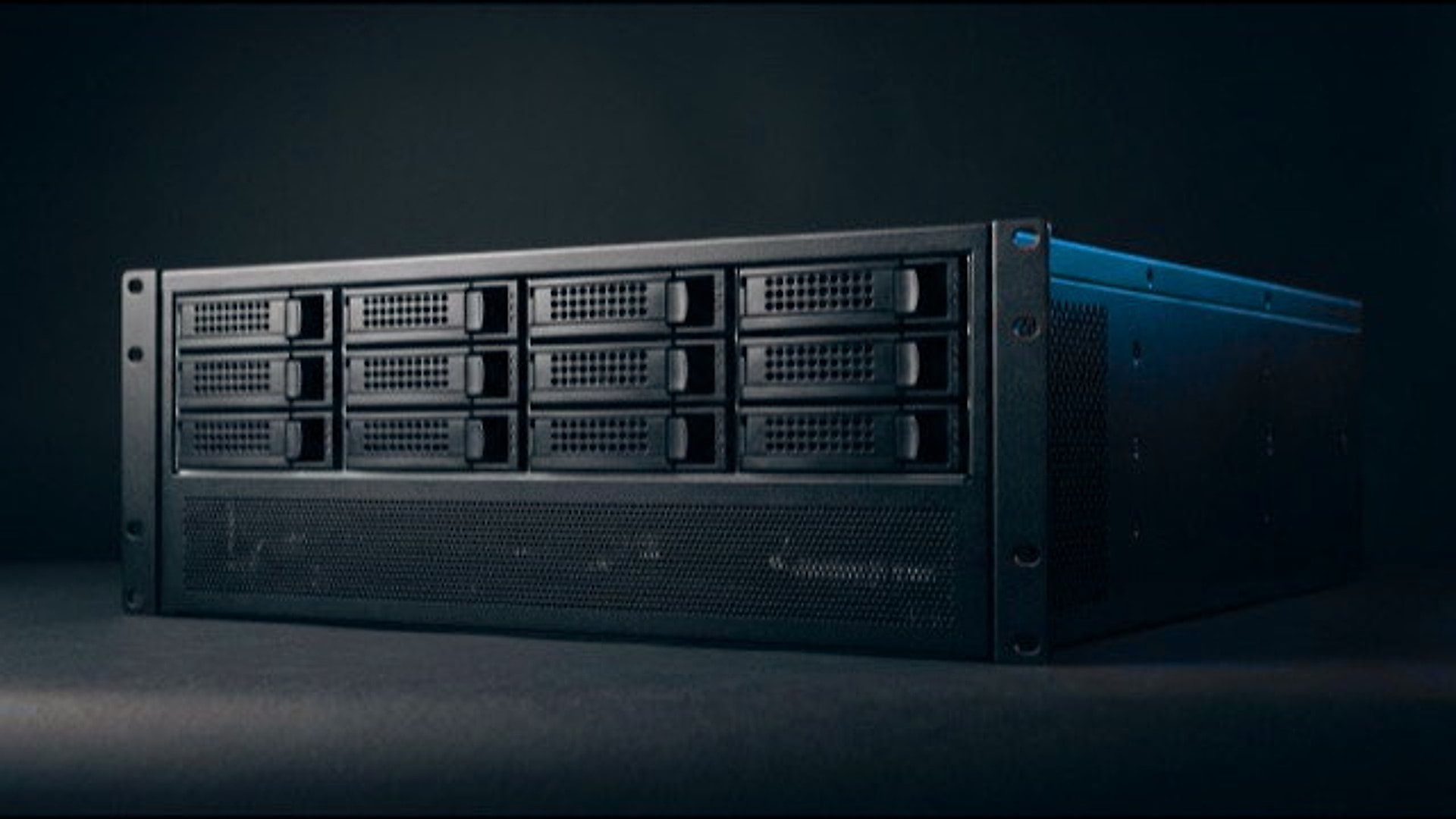
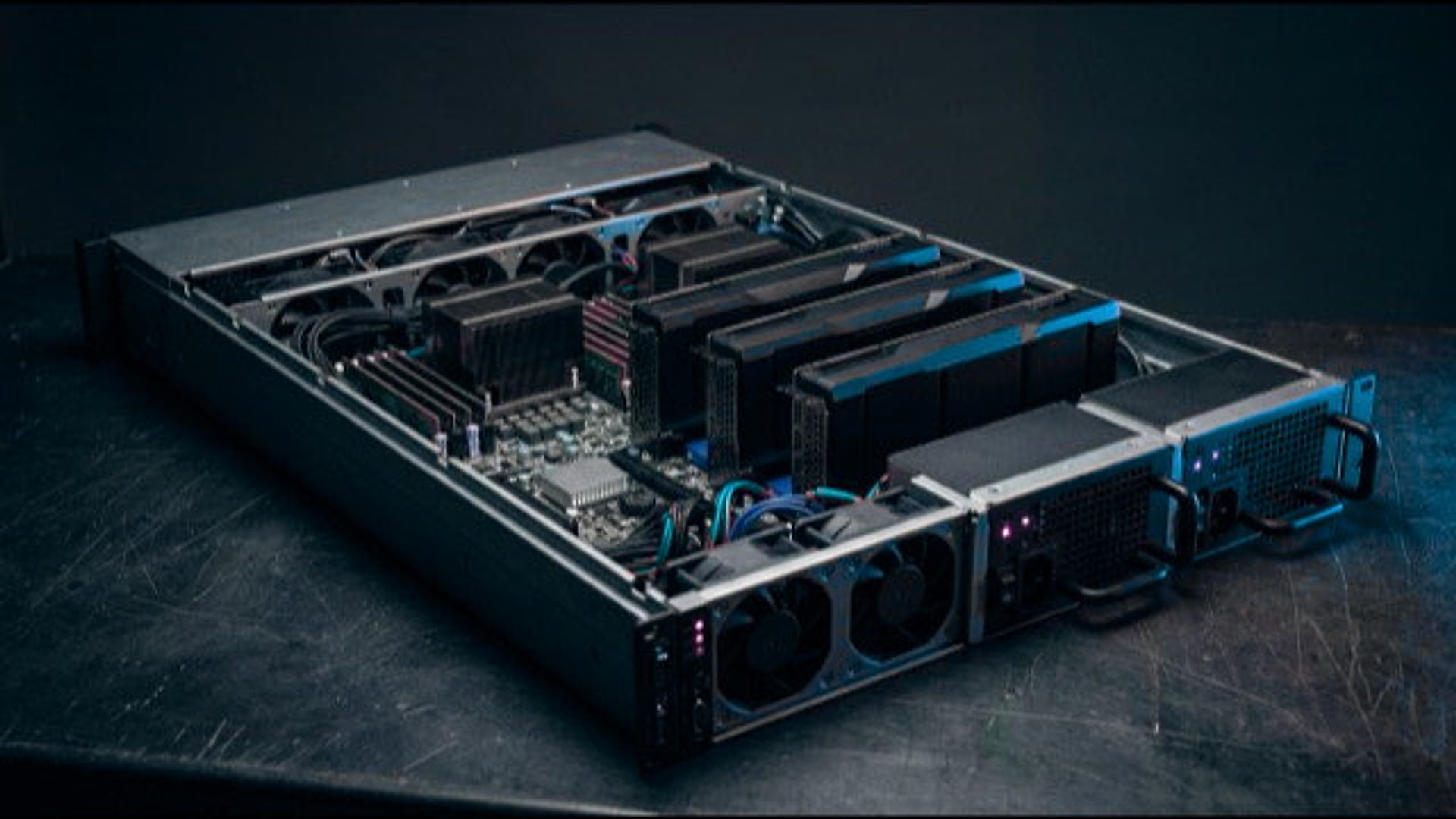
What arrives, across 2 cabinets, racked, cabled and burned in before it ships. The nearest single server we sell is the Fusion Rack Data 300, shown in the photograph, with every part listed.
Why this cluster
Twelve 4U nodes with 36 bays each, 6.3 petabytes raw and 4.6 usable. Eight-plus-three erasure coding, with metadata moved off the 12 onto 3 additional all-NVMe MDS nodes. Client and replication traffic run on separate 100GbE networks, so a rebuild does not take the service down with it.
Made for your workflow
Your cluster, connected
Explore the hardware, shared capacity and connections that bring your cluster together.
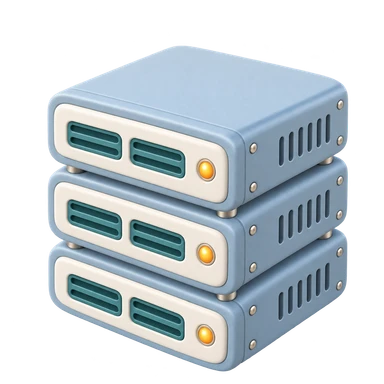
- Storage nodes
- 12 nodes
- 2 cabinets · Distributed storage
- Dedicated storage nodes distribute data across the cluster.
- CPU cores
- 1,152 cores
- Across the specified nodes
- Processing capacity for parallel jobs, shared services and data workloads.
- Connecting the nodes
- 2 × 100GbE
- Specified network fabric
- The interconnect moves data between nodes so the cluster can work together.
- Usable storage
- ~4.6PB
- ~6.3PB raw capacity
- A shared home for the files, datasets and results your nodes need to access.
Hardware platform
How the cluster comes together
Network fabric2 × 100GbE · 2 switches
- Control & access3 login, head and controller nodes
- Storage12 storage chassis
Each square represents one node. Final capacity and cabinet layout are sized to your site.
What it is for
A distributed storage cluster spreads data across nodes, so capacity, speed and redundancy all grow as you add hardware. Ceph, Lustre and MinIO coordinate where data lives, how it is accessed and how it recovers, and keep serving while individual drives or whole nodes are missing. Processing power matters most during erasure coding and recovery, and metadata performance is what usually limits a real workload, so metadata is kept apart from bulk capacity here.
Both sizes of distributed storageSpecified
- OSD nodes
- 12
- Metadata nodes
- 3
- Cores
- 1,152
- Usable
- ~4.6PB
- Raw
- ~6.3PB
- Interconnect
- 2 × 100GbE
- Each node
- 2x AMD EPYC 9455, 576GB DDR5 ECC, 24x 22TB SAS in 4U
- Cabinets
- 2
- Deployment
- Rack, in your own room or a colocation
These are the figures the design was specified and tested to, not figures computed from a parts list. A cluster is a network, a filesystem and a node count, and no single build expresses that. The final numbers come from sizing it to your room, your power and your work, and every node in it is measured the usual way.